CNC machining is one of the most common ways to make accurate metal and plastic parts. If you are an engineer, a maintenance lead, or a product developer who needs a part made, it helps to understand what actually happens between sending a drawing and receiving a finished component. This guide covers the basics without the jargon.
What CNC machining means
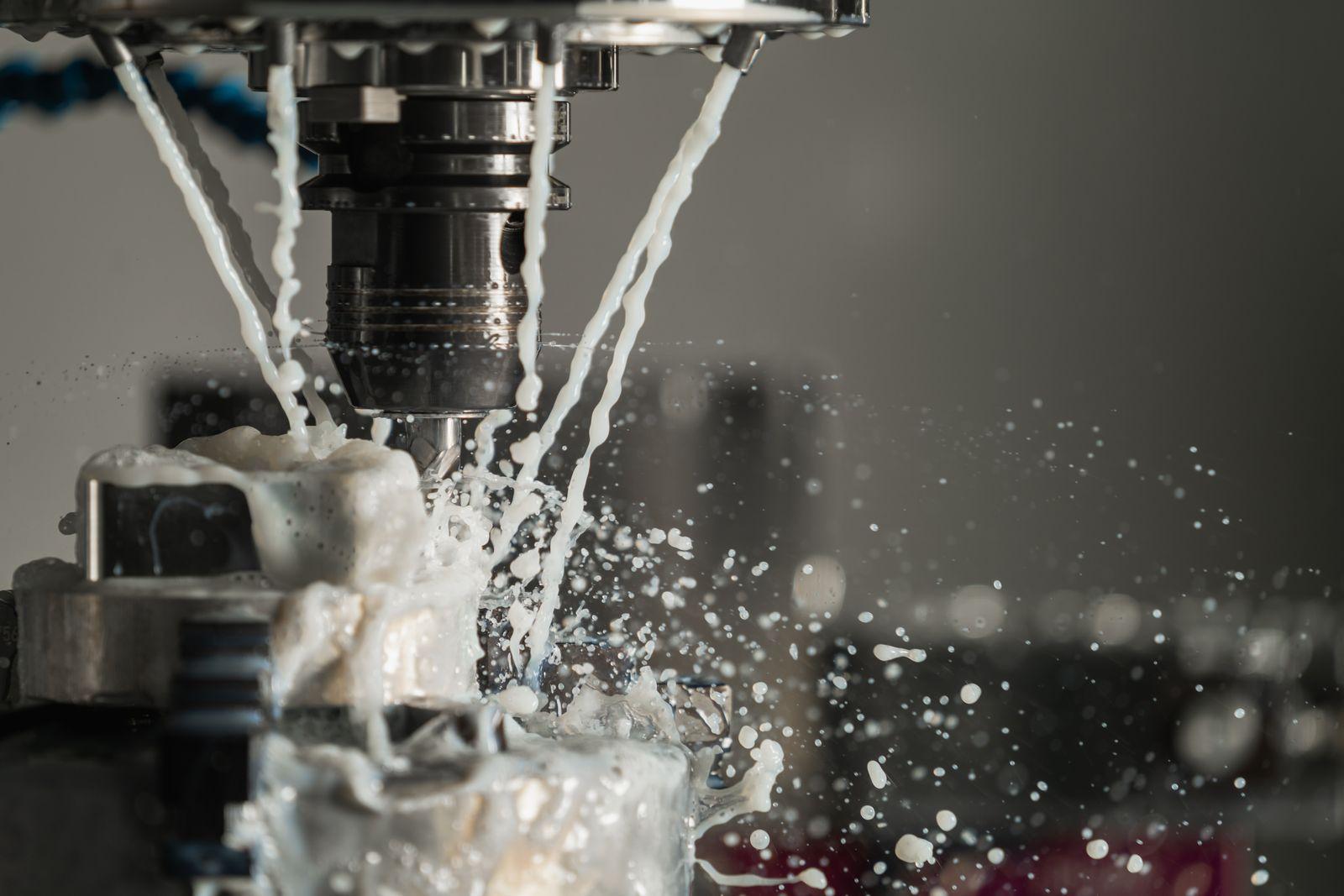
CNC stands for Computer Numerical Control. A CNC machine moves a cutting tool (or the workpiece) along programmed paths to remove material from a solid block, bar, or plate until only the finished shape is left. Because material is cut away rather than added or moulded, it is called a subtractive process.
The program that drives the machine is usually written with CAM (computer-aided manufacturing) software, starting from a 3D CAD model or a 2D drawing. The program sets the tools, the cutting speeds, the depth of each pass, and the order of operations.
The main types of CNC machines
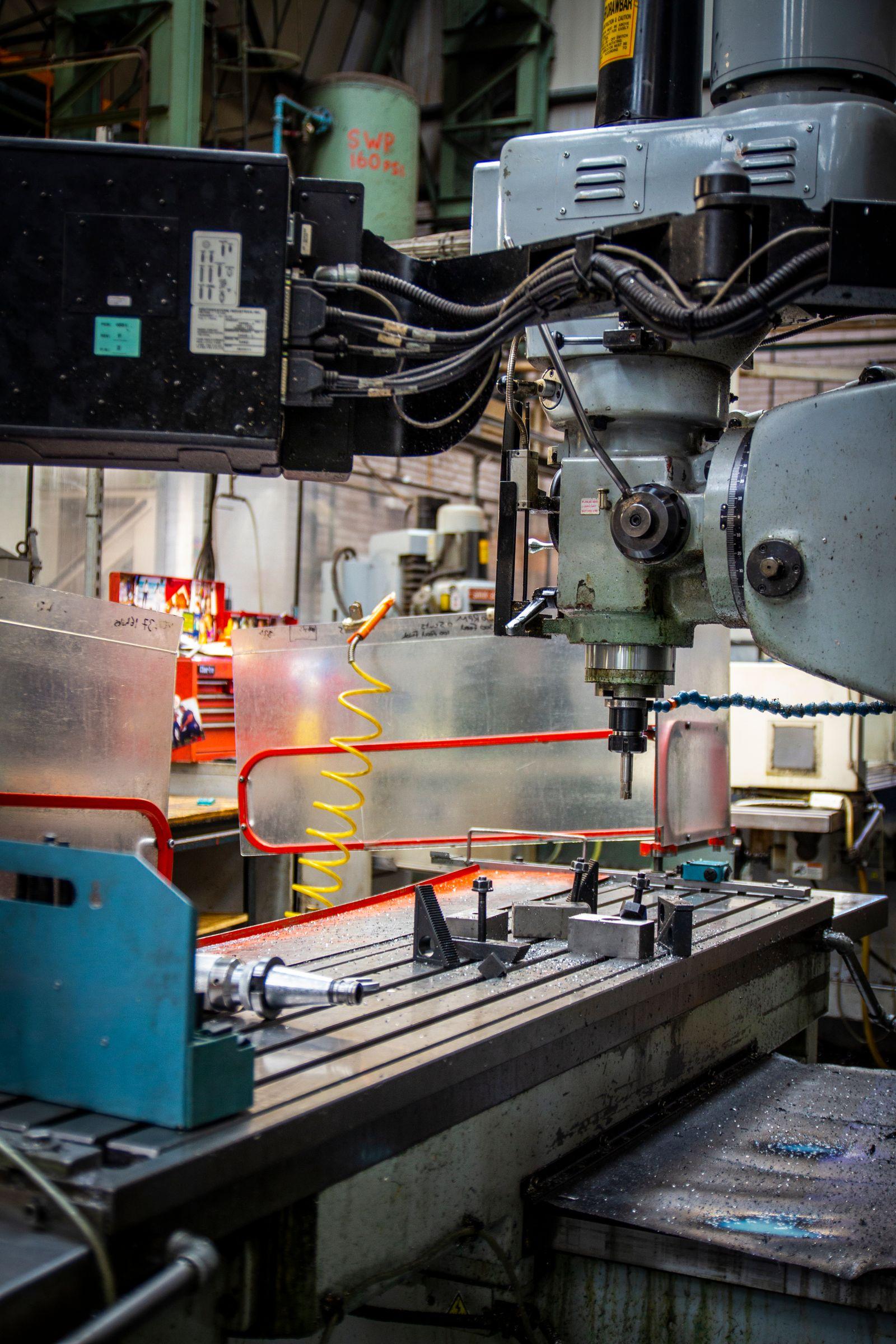
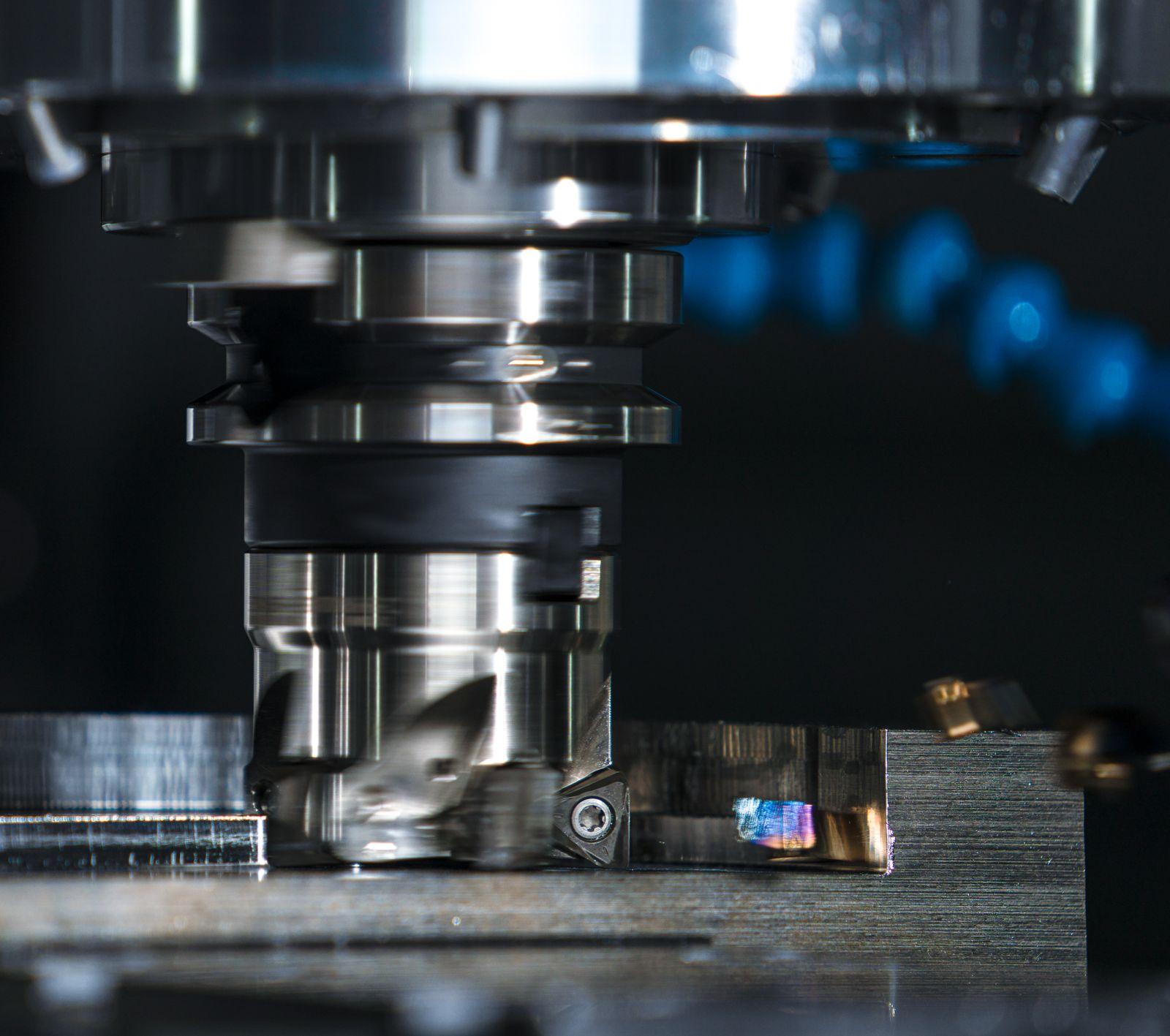
- CNC milling machines and machining centres: a rotating cutter removes material from a workpiece clamped to the table. Best for flat faces, pockets, slots, holes, and prismatic parts like plates, brackets, and housings.
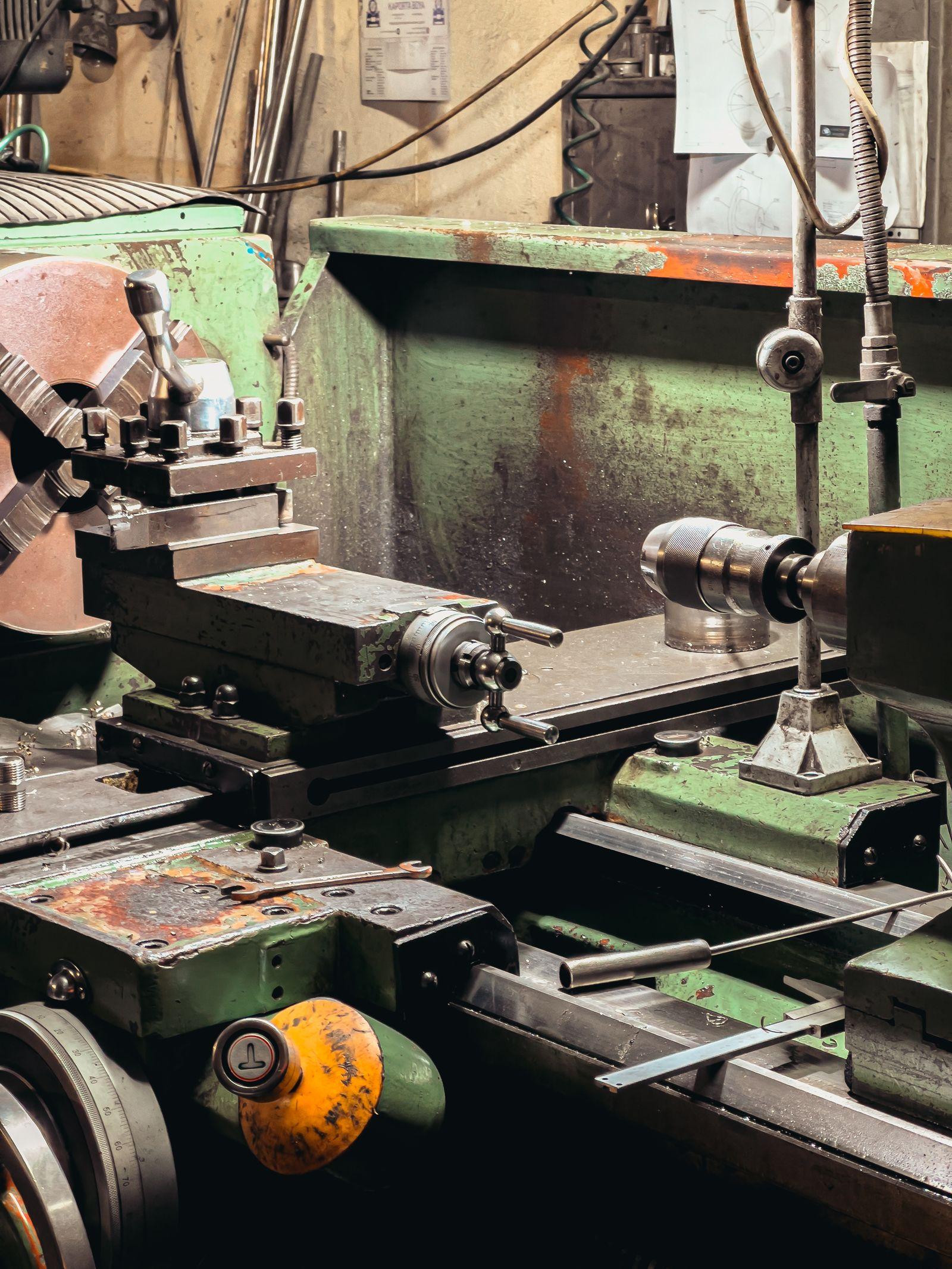
- CNC lathes (turning centres): the workpiece spins and a stationary tool cuts it. Best for round parts like shafts, bushes, pins, and spacers.
- Other CNC processes such as drilling, grinding, wire EDM, and routing are used for specific features or materials.
Why manufacturers use CNC machining
- Accuracy and repeatability: once a program is proven, every part in a batch is cut the same way.
- Real materials: parts are machined from the same metals and engineering plastics used in production, so prototypes behave like the final part.
- No tooling cost: unlike moulding or casting, there is no mould or die to pay for, which makes one-off and small-batch parts practical.
- Fast changes: a design revision usually means updating the program, not remaking expensive tooling.
When CNC is not the best choice
CNC machining is not always the cheapest route. For tens of thousands of identical plastic parts, injection moulding usually wins on unit cost. Very large, thin, or hollow shapes may be better suited to fabrication, casting, or sheet-metal work. Some internal geometries simply cannot be reached by a cutting tool. A good machine shop will tell you when another process makes more sense.
What happens when you order a machined part
- 01You share a drawing, CAD file, sketch, or sample part along with material, quantity, and any critical requirements.
- 02The shop reviews manufacturability, chooses the setup and tooling, and sends a quote with a lead time.
- 03Once approved, the part is programmed, the material is cut to size, and the job is machined, often in more than one setup.
- 04Critical dimensions are measured, edges are deburred, and the parts are packed for pickup or dispatch.
What affects the price
Machining cost is driven mostly by machine time and setup time. Complex geometry, deep pockets, tight tolerances, hard materials, and many separate setups all add time. Material cost matters too, especially for stainless steel, titanium, and copper. For small quantities, the one-time cost of programming and setting up the job is spread over fewer parts, which is why the price per piece drops as quantity rises.
Getting started
If you have a part in mind, you do not need a perfect drawing to start the conversation. Send what you have, explain what the part does, and a machinist can help fill in the gaps. Understanding the basics above simply makes that conversation faster and helps you get the right part at the right price.
Have a part to make?
Send your drawings, CAD files, or a sample part and we'll come back with a straightforward quote.
Related services: CNC Milling · Custom Parts Manufacturing