When you send a part out for machining, one of the first things a machinist decides is whether it should be milled, turned, or both. The answer affects setup, cost, and lead time, so it is worth knowing how the two processes differ.
How CNC milling works
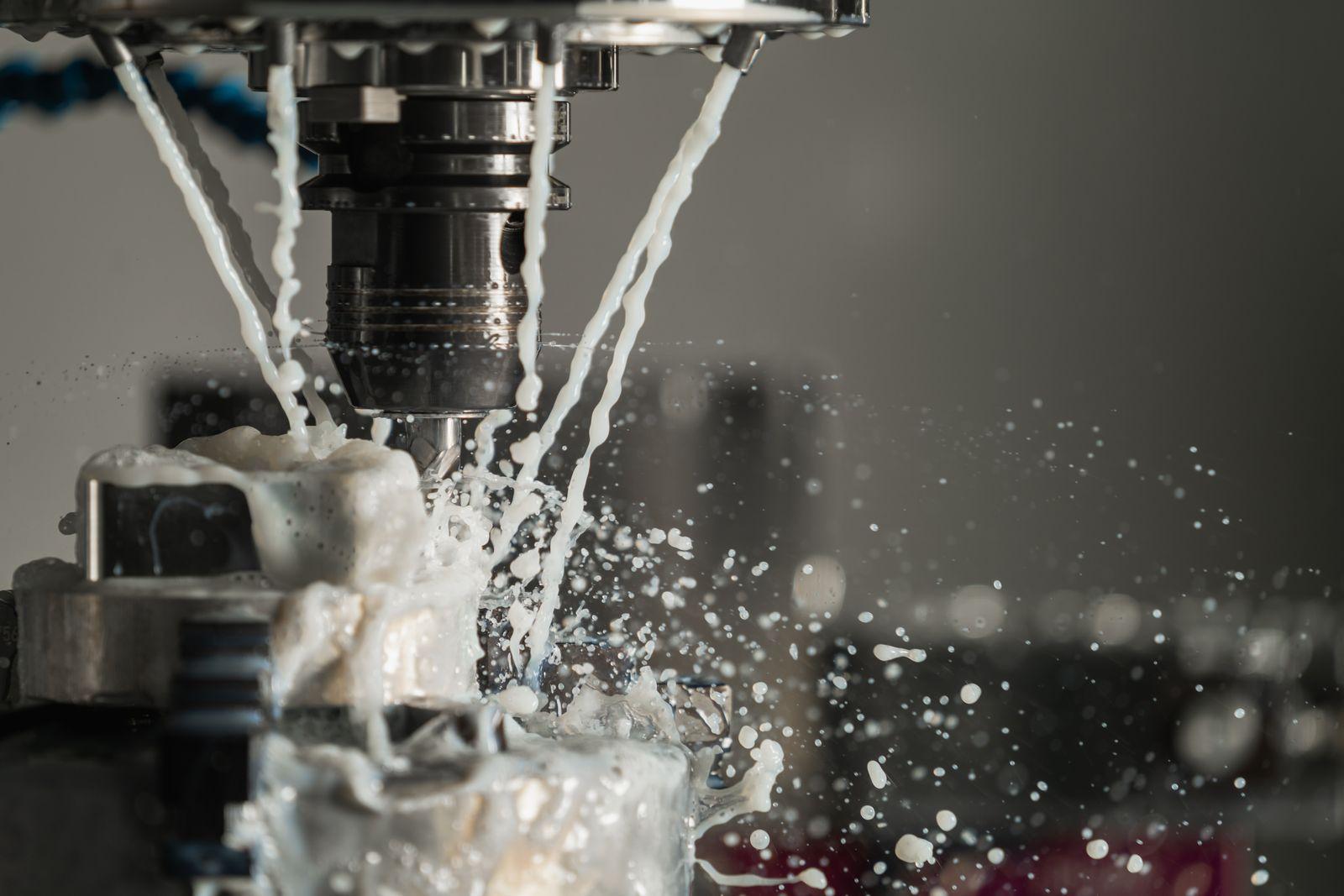
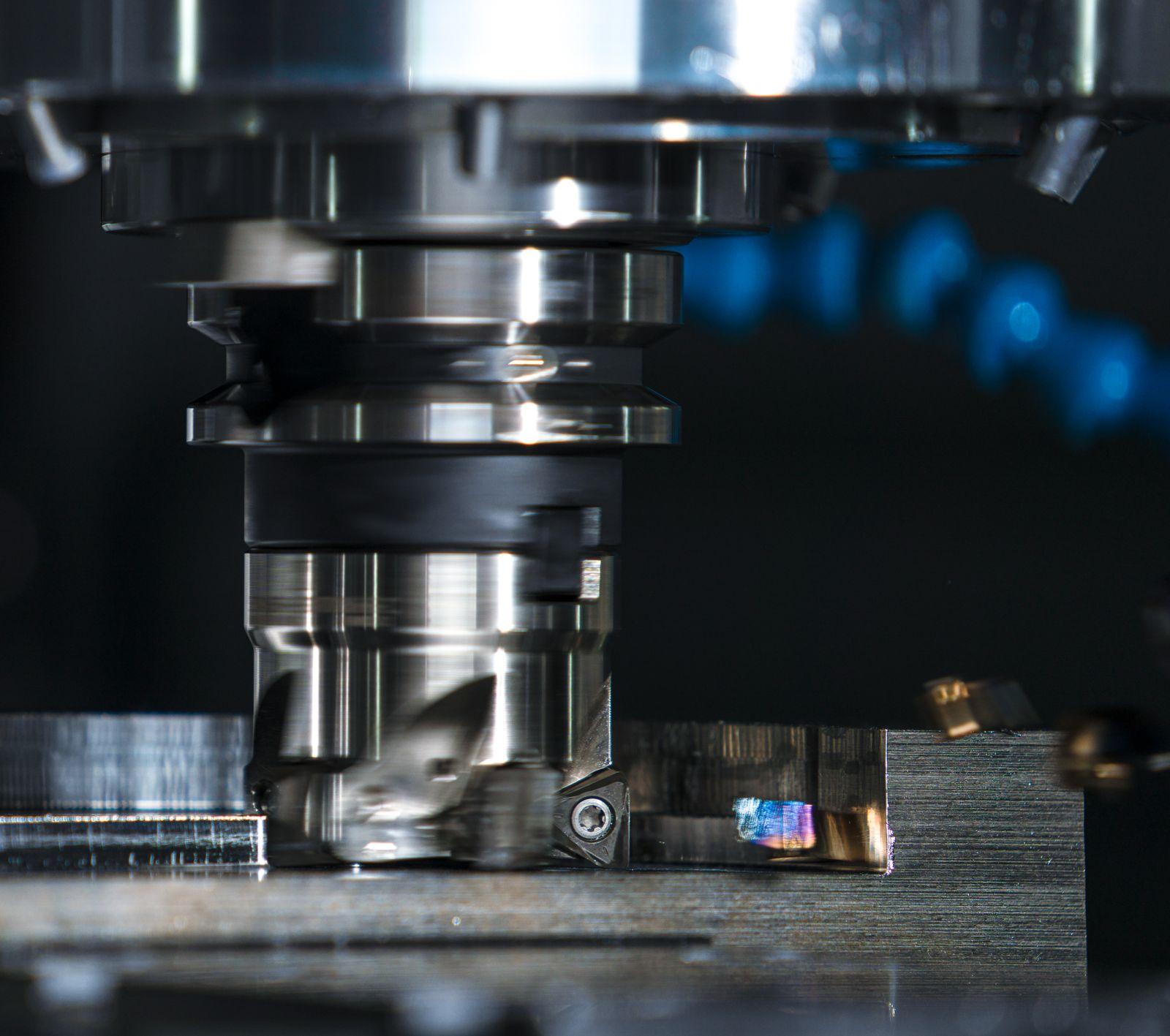
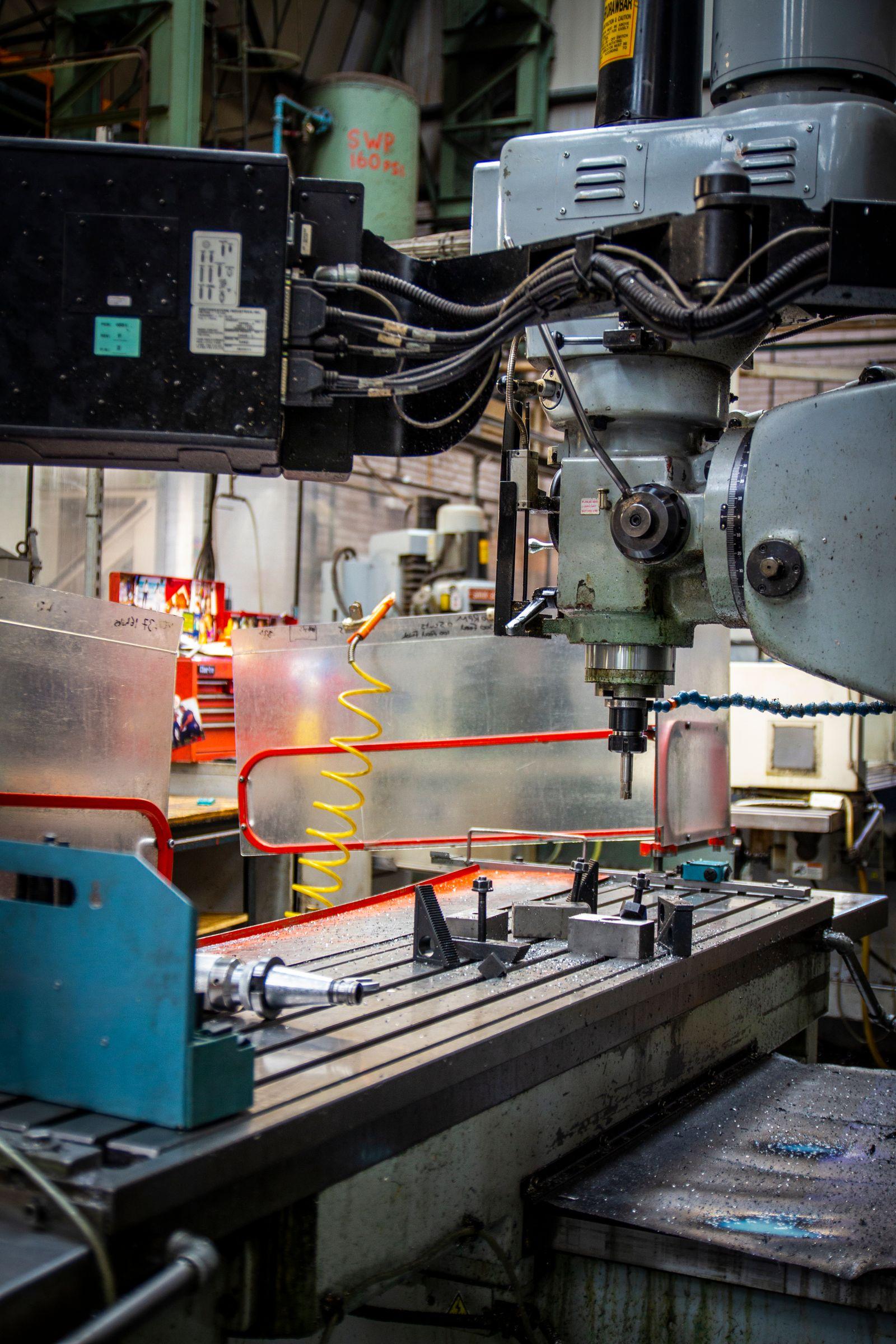
In milling, the workpiece is clamped still and a rotating cutting tool moves across it. The tool can plunge, sweep, and follow contours to create flat faces, pockets, slots, steps, holes, and profiles. A 3-axis mill moves the tool in X, Y, and Z, which covers most prismatic parts.
- Typical milled parts: mounting plates, brackets, housings, manifolds, fixture plates, covers, and blocks.
- Strong at: flat surfaces, square and complex pocket shapes, hole patterns, and features on several faces.
- Things to watch: every face that needs machining may need its own setup on a 3-axis machine.
How CNC turning works
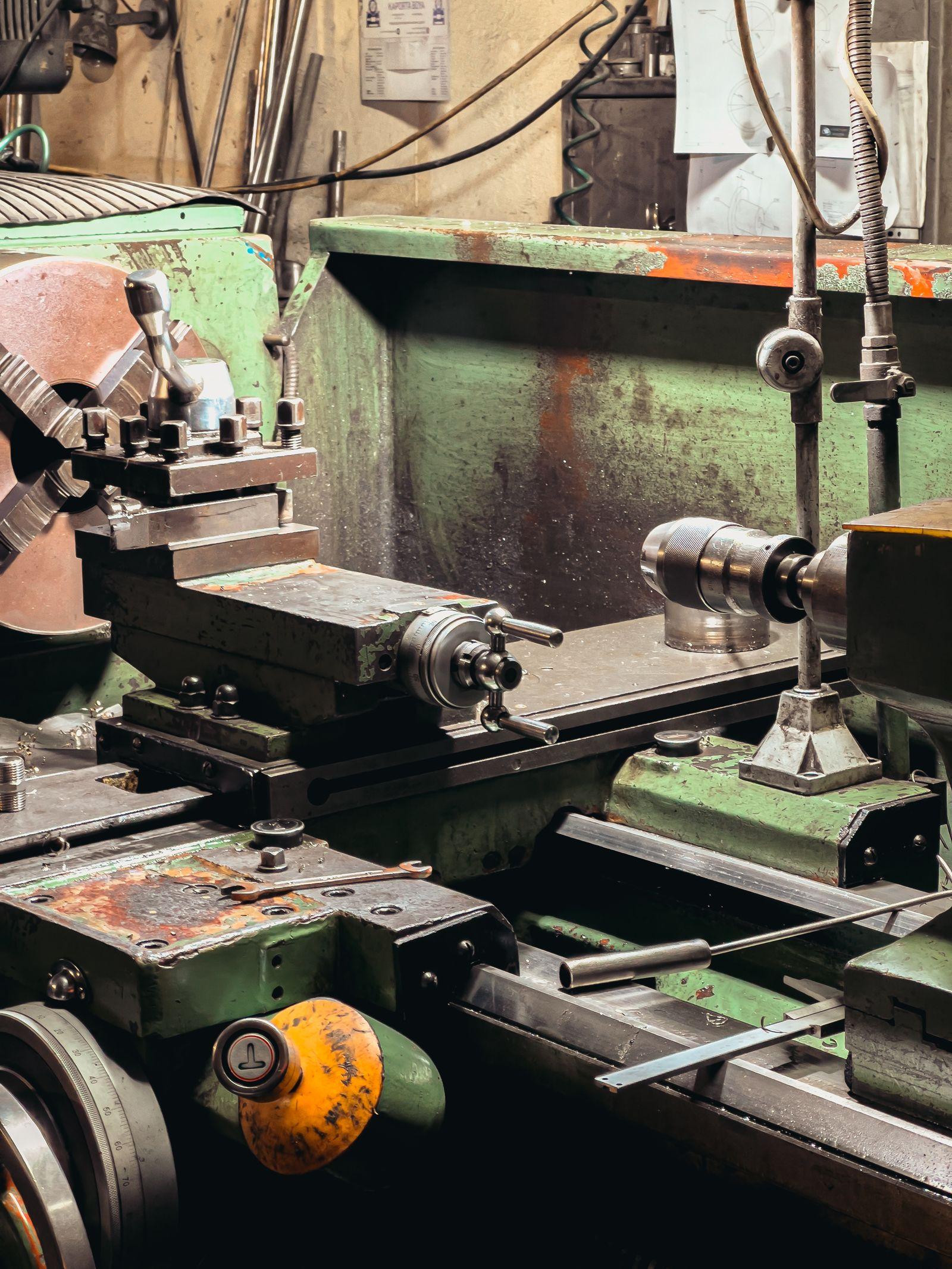
In turning, the workpiece spins in a chuck while a stationary tool is fed along and into it. This naturally produces round shapes: outside diameters, bores, grooves, tapers, chamfers, and threads, all concentric to the same axis.
- Typical turned parts: shafts, pins, bushes, spacers, rollers, nozzles, and threaded fittings.
- Strong at: round features with excellent concentricity, and fast cycle times on bar stock.
- Things to watch: flats, cross holes, and slots on a turned part usually need a milling operation as well.
A quick way to decide
Look at your part and ask whether it is mostly round or mostly square. If it would roll off the table, it is probably a turning job. If it sits flat with features cut into its faces, it is probably a milling job.
Parts that need both
Many real components mix round and prismatic features. A flanged shaft might be turned and then have its bolt holes milled. A block might be milled and then have a bore finished on a lathe. Each extra setup adds handling time and is a point where alignment between features must be controlled, so it helps to show on your drawing which features need to be precisely related to each other.
How the choice affects cost
- Fewer setups usually means lower cost and better accuracy between features.
- Starting from the right stock shape (round bar for turned parts, plate or flat bar for milled parts) reduces material waste and machining time.
- Designing round features to standard bar sizes, and square features to standard plate thicknesses, saves roughing time.
The bottom line
You do not need to choose the process yourself; a machinist will work out the best route from your drawing. But knowing the strengths of milling and turning helps you design parts that are quicker and cheaper to make, and helps you understand the quote when it arrives.
Have a part to make?
Send your drawings, CAD files, or a sample part and we'll come back with a straightforward quote.
Related services: CNC Milling · Custom Parts Manufacturing