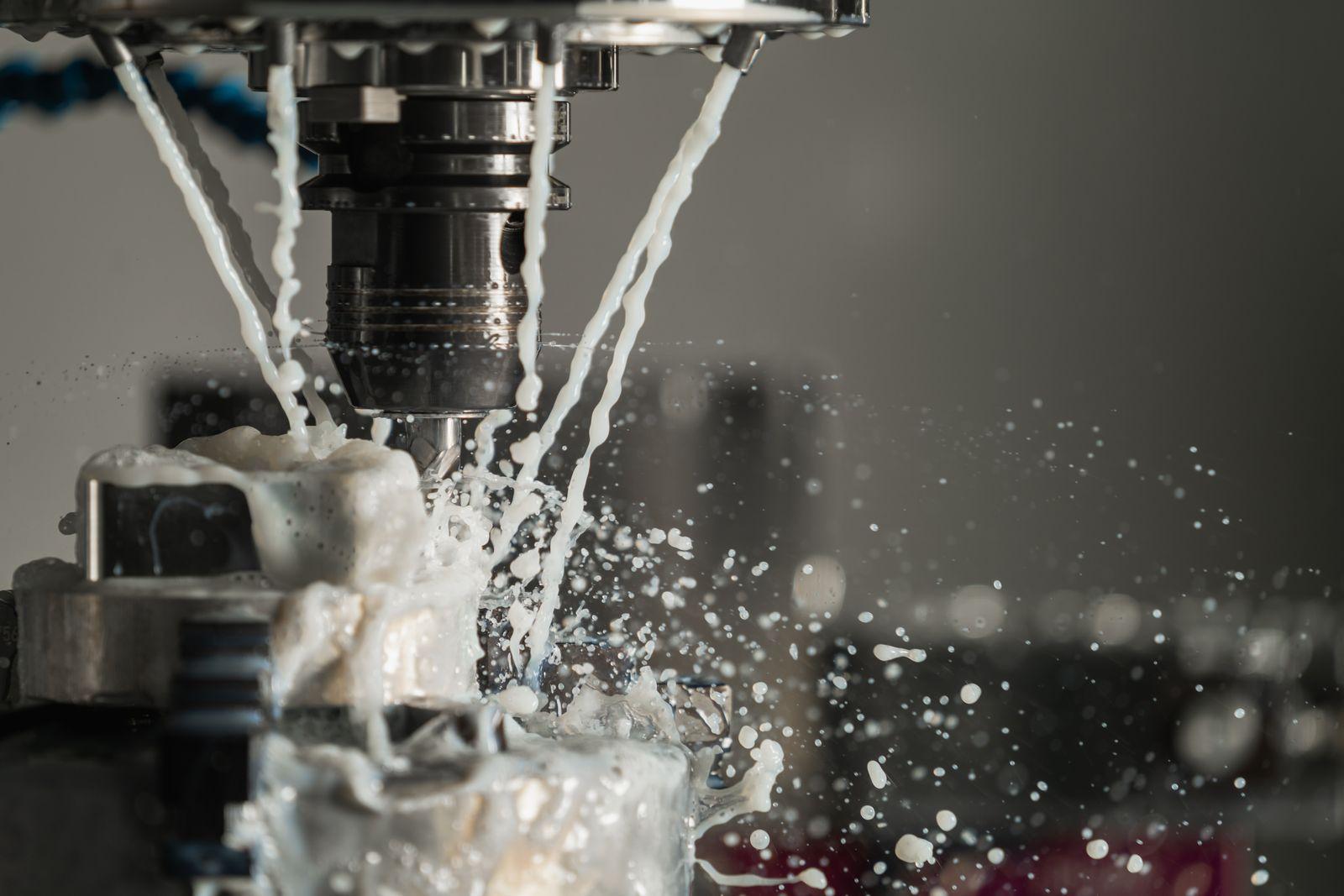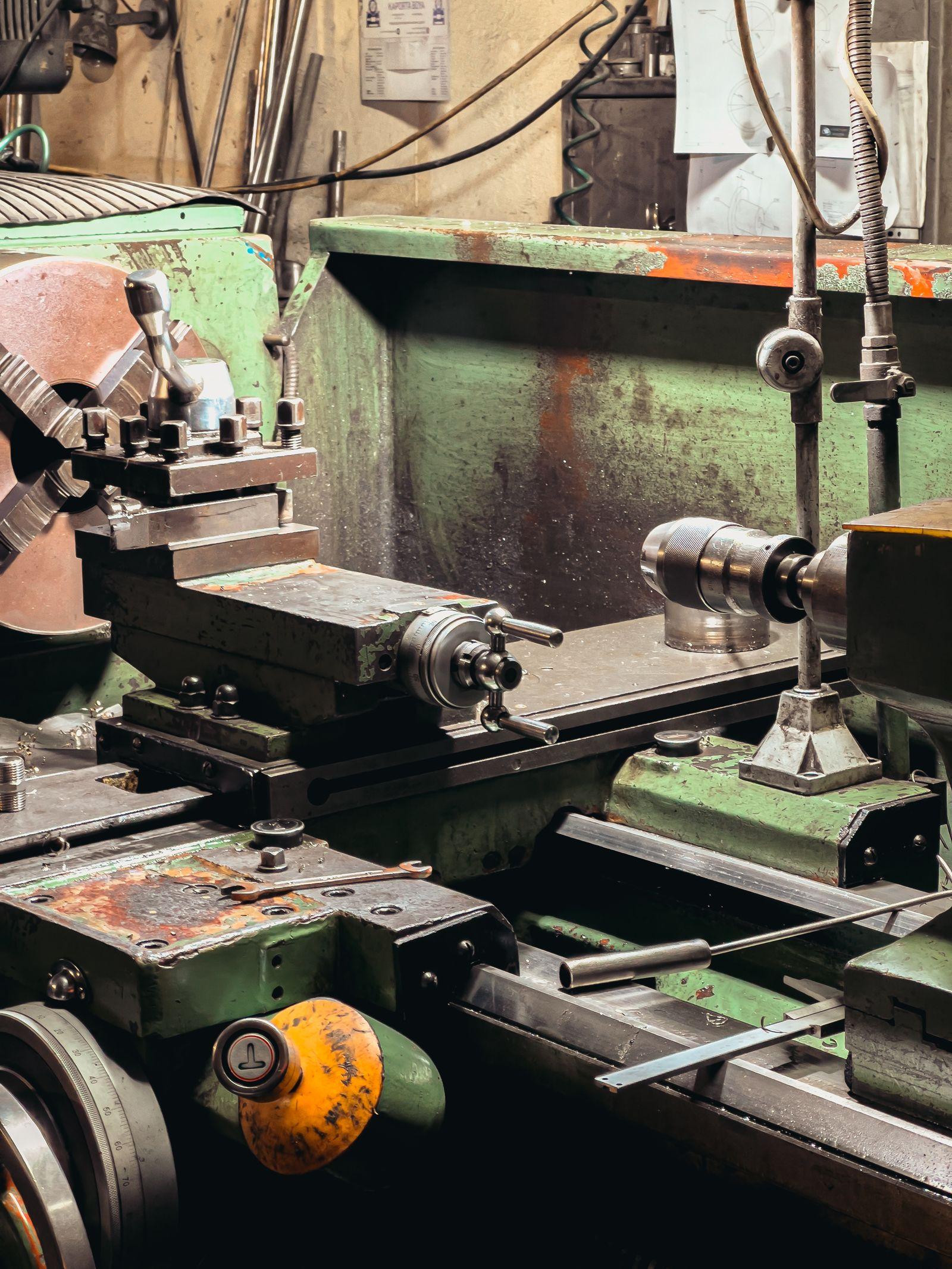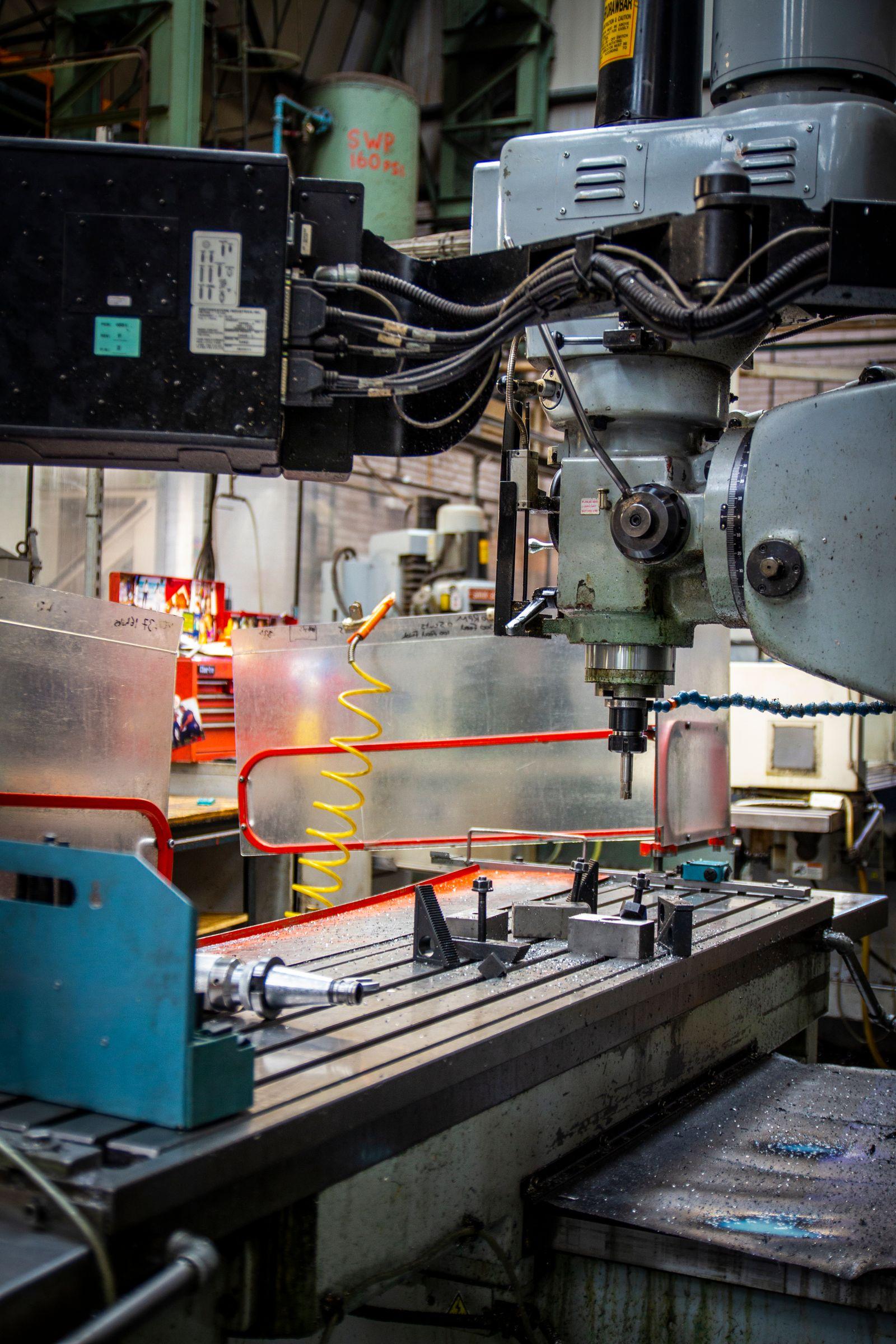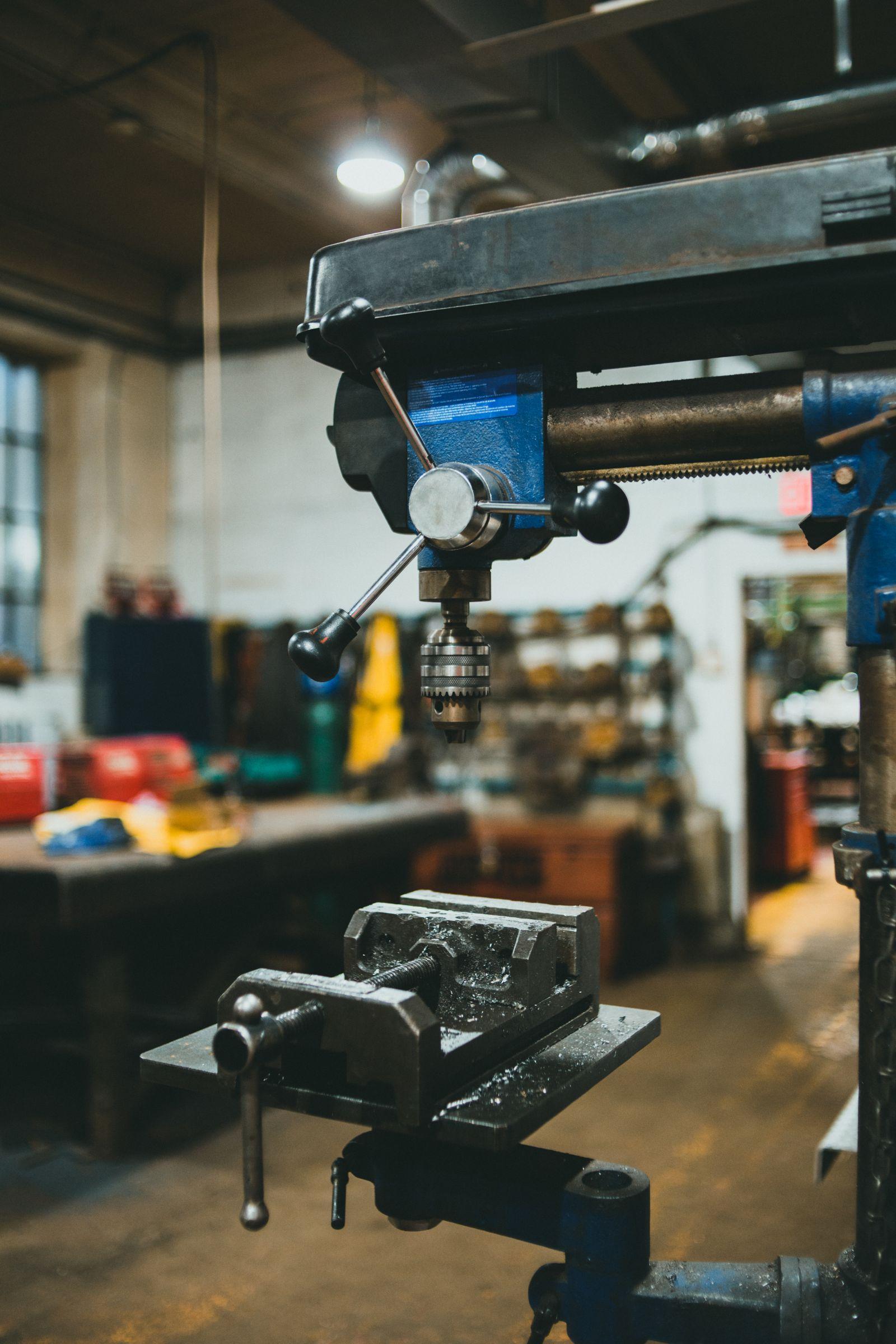
In manufacturing, how you hold a part is often as important as how you cut, drill, weld, or assemble it. Fixtures and jigs are custom devices that locate and hold a part in exactly the same position every time. They make production faster, more consistent, and safer.
Fixture or jig: what is the difference?
- A fixture locates and holds the workpiece securely in a fixed position relative to the machine. The machine or operator then does the work. Machining, welding, and inspection fixtures are all common.
- A jig also holds the work, but additionally guides the tool, for example with hardened drill bushes that position the drill for each hole. Drill jigs let accurate holes be made without a CNC machine.
The 3-2-1 locating principle
A rigid part can move in six ways: along three axes and around three axes. The 3-2-1 principle constrains it with six contact points: three on a primary face, two on a secondary face, and one on a third face. Clamps then hold the part against those locators without distorting it. Good fixtures locate from the same datum features that the drawing uses.
What a good fixture does
- Locates the part the same way every time, so every part comes out the same.
- Clamps firmly without bending or marking the part.
- Loads and unloads quickly, ideally only one way so the part cannot go in backwards.
- Keeps chips and coolant away from locating surfaces.
- Leaves clear access for tools, welding torches, or measuring equipment.
Common types
- Machining fixtures: plates and blocks with locating pins and clamps for repeat CNC work.
- Drill jigs: templates with bushes for drilling hole patterns accurately.
- Welding fixtures: hold parts in alignment while they are tacked and welded, controlling distortion.
- Assembly fixtures: position components for pressing, gluing, or fastening.
- Inspection fixtures and gauges: check critical features quickly on the shop floor.
When does a fixture pay for itself?
A fixture is worth it when the time it saves per part, multiplied by the number of parts, outweighs its cost. It also pays off when consistency matters more than speed, for example when parts from different batches must be fully interchangeable. For one-off jobs, standard vises and clamps are usually enough.
Materials for fixtures
Fixture bodies are often aluminium for light weight, or steel for rigidity and wear resistance. Locating pins and wear points are usually hardened steel. Plastic pads can protect delicate or finished surfaces.
Summary
Fixtures and jigs are a quiet investment that improves speed, quality, and safety at the same time. If a repeat job is slow to set up, or parts vary from batch to batch, better workholding is often the fix.
Have a part to make?
Send your drawings, CAD files, or a sample part and we'll come back with a straightforward quote.
Related services: Fixtures & Tooling · CNC Milling